
Investing

Pepsi sends a shocking memo to employees

PepsiCo (PEP) North America plans to cut about 1,000 jobs across its North American operations over the next week, according to a Nov. 9 letter to employees from CEO Ram Krishnan, CNBC reported.

The letter described a goal of building what Krishnan called a “stronger, more future-fit business that delivers industry-leading growth.” PepsiCo wants to better connect teams across its North American operation, which runs both its beverage and snack businesses.

The memo did not say which roles would be cut. But the timing tells part of the story.

PepsiCo has been struggling with weak demand in the United States and Canada, and the job cuts signal that management has decided the situation calls for more than price adjustments and marketing spending.

What PepsiCo’s memo told employees

Krishnan’s letter, as reported by CNBC, did not name the specific roles or divisions that would lose positions. PepsiCo has not issued a public statement beyond what the memo contained. The company employs about 125,000 people in the United States, according to a company filing, and roughly 306,000 globally.

Also read: Pepsi shuts down another U.S. plant as CEO admits soft drink slump

The 1,000 planned cuts are a small share of the global total. But they land squarely on the North American operation, which is the part of the business that has been underperforming. That makes the percentage hit to that specific unit larger than the headline number suggests.

PepsiCo said the restructuring is meant to make the business faster and improve how teams work together. That language points to coordination problems within the North American structure, not just a cost problem.

Why PepsiCo is struggling in North America

In October, PepsiCo lowered its full-year earnings forecast, blaming North America. The third quarter showed the scope of the problem. North American beverage volumes dropped 2%. The food division was flat. Neither business was growing.

CFO Steve Schmitt told analysts on the earnings call that the recovery was taking longer than the company expected, BigGo Finance reported. PepsiCo had already tried cutting prices and spending more on marketing. Neither move produced a sustained volume rebound.

So the company moved to costs instead. Price cuts did not work. Marketing did not work. Now PepsiCo is reorganizing headcount and hoping that gets the job done.

PepsiCo is not alone in cutting roles. This year has seen widespread job reductions across industries, LiveNOW from FOX noted.

Heineken announced up to 6,000 cuts. Nike cut more than 2,000 positions. UPS eliminated up to 30,000 operational roles. Amazon shed roughly 16,000 jobs earlier in the year.

The pattern runs across consumer goods, logistics, and tech. PepsiCo’s 1,000 cuts are smaller in scale, but they stem from the same pressure: demand that has not recovered as companies expected after years of post-pandemic adjustment.
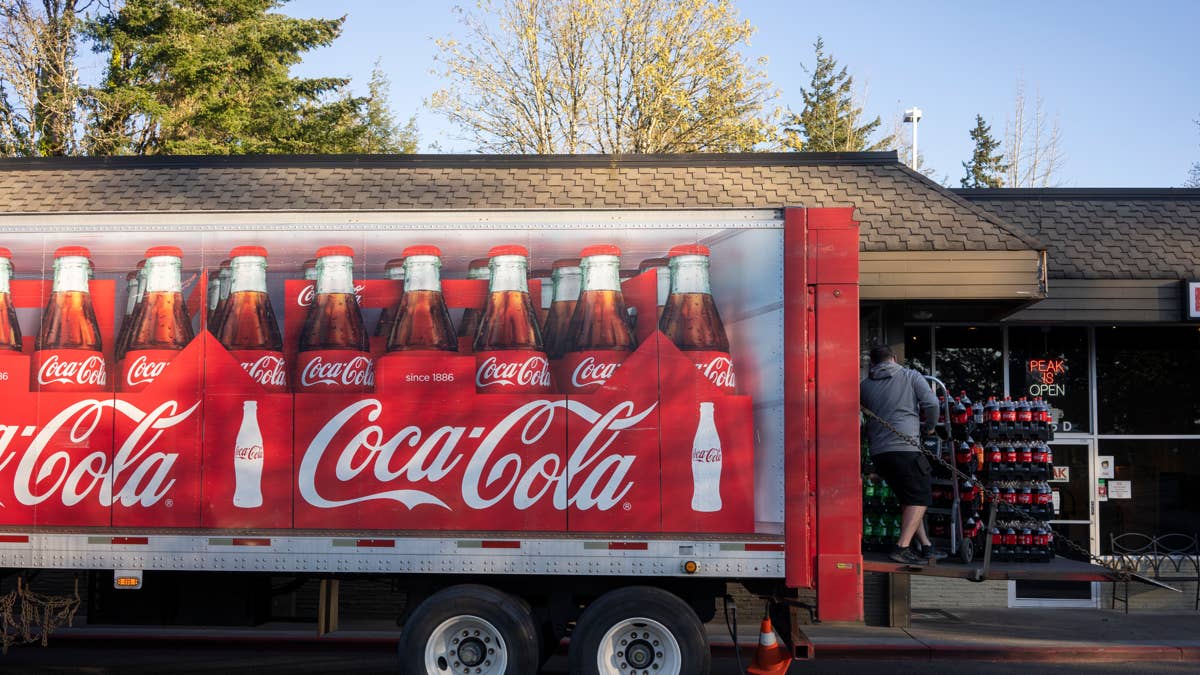
PepsiCo is not alone in cutting positions, as 2026 has seen widespread job reductions across industries.

hapabapa / Getty Images

The risk PepsiCo’s layoffs create for the business

Reducing headcount during a sales slump protects margins. That is the straightforward part. The harder part is doing it without disrupting the commercial teams that handle retailer relationships, shelf placement, and promotional execution.

PepsiCo competes for shelf space and display priority at every major grocery and convenience chain in North America. That competition requires people on the ground. If the restructuring cuts into those teams, the company could lose retail ground at exactly the moment it needs to be gaining it.

Cut the wrong people, and the gaps show up fast. Fewer reps on the ground mean fewer store visits, slower response to out-of-stocks, and less pull when retailers are deciding whose products get the better shelf position.

And the retained employees are watching. Layoffs change the culture of a workplace. Some will start looking for new roles. That is a cost the company will not announce in any memo.

What the PepsiCo job cuts mean for employees

PepsiCo has not said which divisions will be hit or where in its North American footprint the cuts will land. The company employs roughly 125,000 people in the United States.

Most of them learned about the 1,000 job cuts the same way everyone else did: through a memo that did not list names or roles.

More Layoffs:

  • Canva CEO apologizes to workers, makes unusual promise amid layoffs
  • Disney eyes thousands more layoffs as major cost-cutting push widens
  • Popular website builder cuts 19% of jobs as CEO signals major shift

The company said the changes are meant to make PepsiCo more capable and to continue investing in its people.

But a memo announcing 1,000 job losses over the course of a week is not an investment signal. It is a cost signal. The employees who remain will be asked to operate in a leaner structure, often with the same or greater responsibilities.

That dynamic is familiar in 2026. Heineken, Nike, UPS, Amazon, and dozens of other companies have made the same calculation this year: cut headcount, restructure the organization, and hope the remaining team can carry more.

For workers, it means more pressure in a job market that is absorbing a large volume of displaced workers at the same time.

What PepsiCo needs to turn its business around

Cutting jobs does not fix weak consumer demand. PepsiCo still needs people to buy more of its beverages and snacks. Lower prices have not done that. More marketing has not done that. A reorganization will not do it either, unless it improves how the business executes at retail.

The restructuring does give PepsiCo a leaner cost base heading into 2027. If North American volumes stabilize, the company will be in a better position to grow earnings, even without a full demand recovery. That is the scenario management is betting on.

But if volumes keep falling, the cuts will not be enough. PepsiCo will have reduced its workforce without fixing the underlying problem, and the next round of decisions will be harder.

The business needs demand to cooperate. The memo was management’s acknowledgment that it cannot wait any longer for that to happen on its own.

Related: PepsiCo cuts outlook as its home-market problem deepens

admin

You may also like

Comments are closed.

Economy

Pepsi sends a shocking memo to employees

PepsiCo (PEP) North America plans to cut about 1,000 jobs across its North American operations over the next week, according to a Nov. 9 letter to employees from CEO Ram Krishnan, CNBC reported.

The letter described a goal of building what Krishnan called a “stronger, more future-fit business that delivers industry-leading growth.” PepsiCo wants to better connect teams across its North American operation, which runs both its beverage and snack businesses.

The memo did not say which roles would be cut. But the timing tells part of the story.

PepsiCo has been struggling with weak demand in the United States and Canada, and the job cuts signal that management has decided the situation calls for more than price adjustments and marketing spending.

What PepsiCo’s memo told employees

Krishnan’s letter, as reported by CNBC, did not name the specific roles or divisions that would lose positions. PepsiCo has not issued a public statement beyond what the memo contained. The company employs about 125,000 people in the United States, according to a company filing, and roughly 306,000 globally.

Also read: Pepsi shuts down another U.S. plant as CEO admits soft drink slump

The 1,000 planned cuts are a small share of the global total. But they land squarely on the North American operation, which is the part of the business that has been underperforming. That makes the percentage hit to that specific unit larger than the headline number suggests.

PepsiCo said the restructuring is meant to make the business faster and improve how teams work together. That language points to coordination problems within the North American structure, not just a cost problem.

Why PepsiCo is struggling in North America

In October, PepsiCo lowered its full-year earnings forecast, blaming North America. The third quarter showed the scope of the problem. North American beverage volumes dropped 2%. The food division was flat. Neither business was growing.

CFO Steve Schmitt told analysts on the earnings call that the recovery was taking longer than the company expected, BigGo Finance reported. PepsiCo had already tried cutting prices and spending more on marketing. Neither move produced a sustained volume rebound.

So the company moved to costs instead. Price cuts did not work. Marketing did not work. Now PepsiCo is reorganizing headcount and hoping that gets the job done.

PepsiCo is not alone in cutting roles. This year has seen widespread job reductions across industries, LiveNOW from FOX noted.

Heineken announced up to 6,000 cuts. Nike cut more than 2,000 positions. UPS eliminated up to 30,000 operational roles. Amazon shed roughly 16,000 jobs earlier in the year.

The pattern runs across consumer goods, logistics, and tech. PepsiCo’s 1,000 cuts are smaller in scale, but they stem from the same pressure: demand that has not recovered as companies expected after years of post-pandemic adjustment.

PepsiCo is not alone in cutting positions, as 2026 has seen widespread job reductions across industries.

hapabapa / Getty Images

The risk PepsiCo’s layoffs create for the business

Reducing headcount during a sales slump protects margins. That is the straightforward part. The harder part is doing it without disrupting the commercial teams that handle retailer relationships, shelf placement, and promotional execution.

PepsiCo competes for shelf space and display priority at every major grocery and convenience chain in North America. That competition requires people on the ground. If the restructuring cuts into those teams, the company could lose retail ground at exactly the moment it needs to be gaining it.

Cut the wrong people, and the gaps show up fast. Fewer reps on the ground mean fewer store visits, slower response to out-of-stocks, and less pull when retailers are deciding whose products get the better shelf position.

And the retained employees are watching. Layoffs change the culture of a workplace. Some will start looking for new roles. That is a cost the company will not announce in any memo.

What the PepsiCo job cuts mean for employees

PepsiCo has not said which divisions will be hit or where in its North American footprint the cuts will land. The company employs roughly 125,000 people in the United States.

Most of them learned about the 1,000 job cuts the same way everyone else did: through a memo that did not list names or roles.

More Layoffs:

  • Canva CEO apologizes to workers, makes unusual promise amid layoffs
  • Disney eyes thousands more layoffs as major cost-cutting push widens
  • Popular website builder cuts 19% of jobs as CEO signals major shift

The company said the changes are meant to make PepsiCo more capable and to continue investing in its people.

But a memo announcing 1,000 job losses over the course of a week is not an investment signal. It is a cost signal. The employees who remain will be asked to operate in a leaner structure, often with the same or greater responsibilities.

That dynamic is familiar in 2026. Heineken, Nike, UPS, Amazon, and dozens of other companies have made the same calculation this year: cut headcount, restructure the organization, and hope the remaining team can carry more.

For workers, it means more pressure in a job market that is absorbing a large volume of displaced workers at the same time.

What PepsiCo needs to turn its business around

Cutting jobs does not fix weak consumer demand. PepsiCo still needs people to buy more of its beverages and snacks. Lower prices have not done that. More marketing has not done that. A reorganization will not do it either, unless it improves how the business executes at retail.

The restructuring does give PepsiCo a leaner cost base heading into 2027. If North American volumes stabilize, the company will be in a better position to grow earnings, even without a full demand recovery. That is the scenario management is betting on.

But if volumes keep falling, the cuts will not be enough. PepsiCo will have reduced its workforce without fixing the underlying problem, and the next round of decisions will be harder.

The business needs demand to cooperate. The memo was management’s acknowledgment that it cannot wait any longer for that to happen on its own.

Related: PepsiCo cuts outlook as its home-market problem deepens
admin

You may also like

Comments are closed.